Phonon
Emission

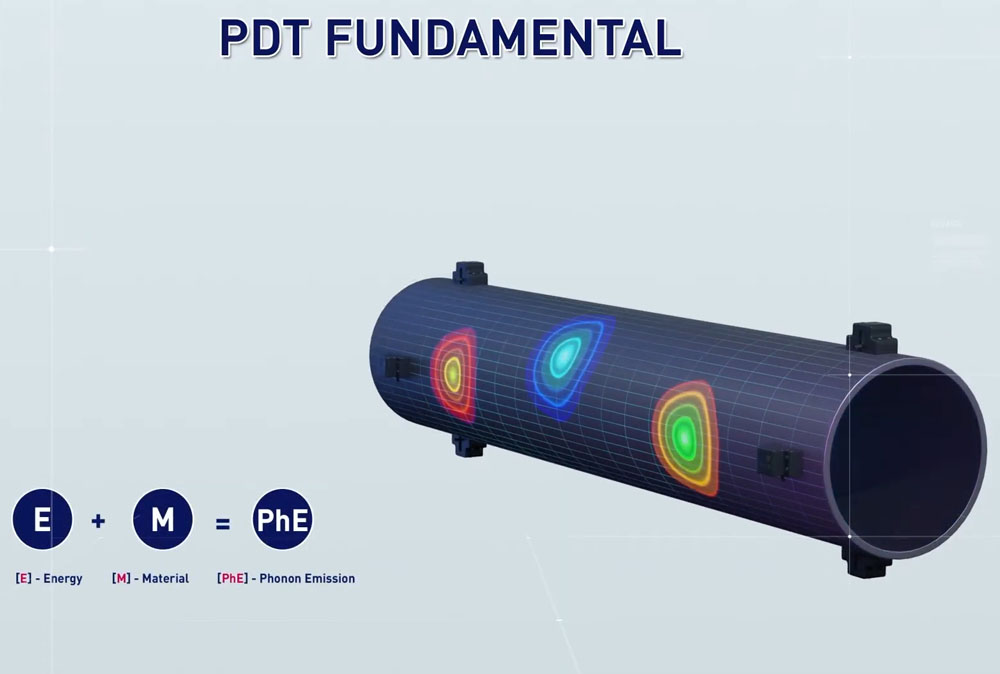
The result of interaction of energy and material causes various physical processes taking place in the material: stress concentration, deformation, corrosion, fatigue damage and deterioration. Phonon energy is emitted at areas of defect formation growth and phonon detection is collected through state-of-the-art transducers which are attached to the inspected asset.

PDT inspection consists of data acquisition, processing, analyzing and interpreting defect characteristics based on phonon emission propagation.
Phonon 1
UNIQUE
TECHNICAL CAPABILITIES
  • Online inspection without interrupting asset operating condition
  • Inspection of inaccessible areas ie. double wall tank, underground pipeline
  • 100% coverage of the inspected asset
DEFECT DETECTION
PARAMETERS
  • Quantity
  • Location
  • Size
  • Type
  • Severity
VALUE
CREATION
  • Cost saving
  • Non-intrusive inspection technique
  • Minimum preparatory work
  • Increase speed of inspection
  • Reduce HSE risks i.e. confined space, working at height

PDT
EQUIPMENT

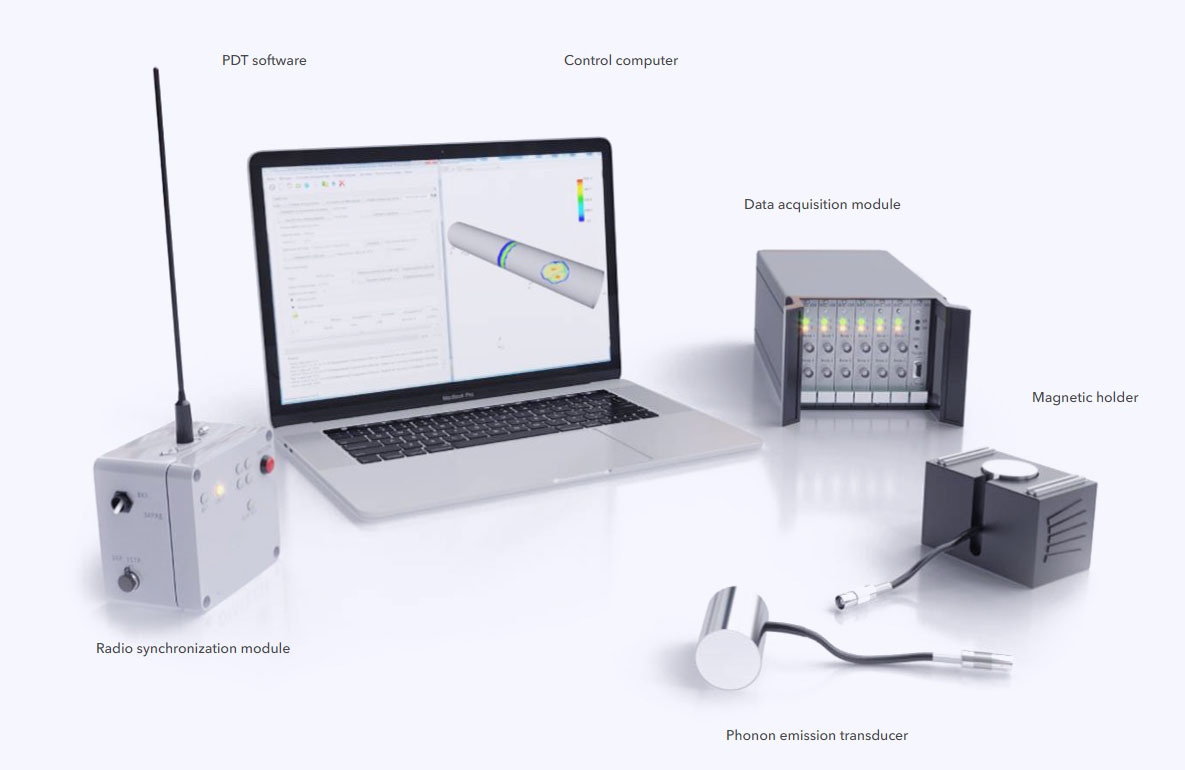
Portable, compact and easy-to-install modular equipment

ADVANTAGES OF UTILIZING
PDT INSPECTION FOR PIPELINES

PDT inspection can be done online for above ground, underground and underwater pipelines, including inaccessible and unpiggable pipelines.
Inspection without change of operation mode

Real-time data acquisition

100% coverage of the inspected pipeline

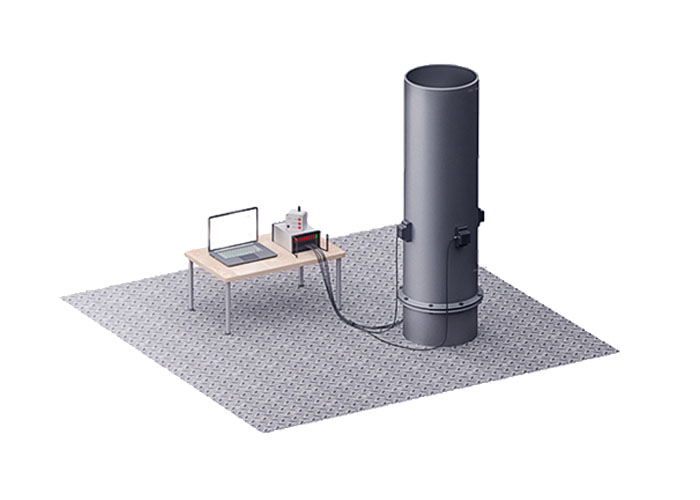
PLANAR MODE

Maximum length of the inspected segment is up to 200m
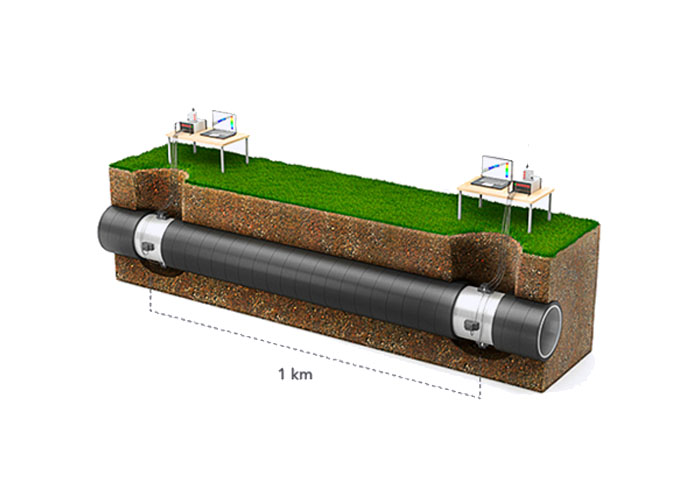
LINEAR MODE

Maximum length of the inspected segment is up to 1 km

ADVANTAGES OF UTILIZING PDT INSPECTION
FOR ABOVE GROUND STORAGE TANK

PDT Inspection can be carried out online for different types above ground storage tanks

INSPECTION WITHOUT
INTERRUPTING OPERATING
CONDITION
INSPECTION OF ANY
TYPE ABOVE GROUND
STORAGE TANK
REAL-TIME
DATA
ACQUISITION

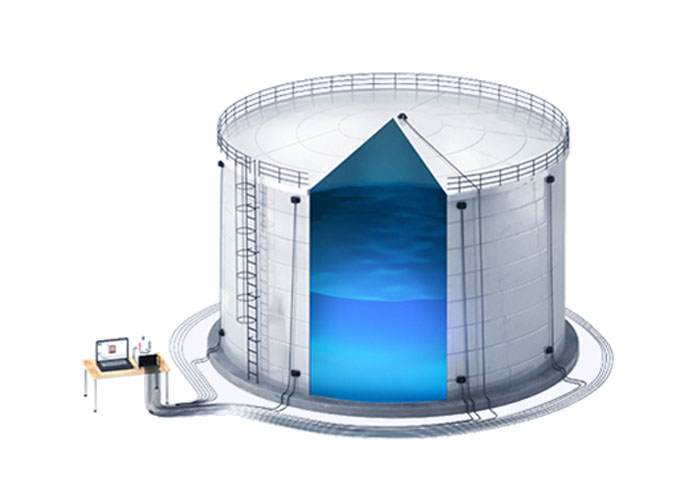
ABOVE GROUND STORAGE
TANK INSPECTION

Inspection coverage including of shell, bottom and roof
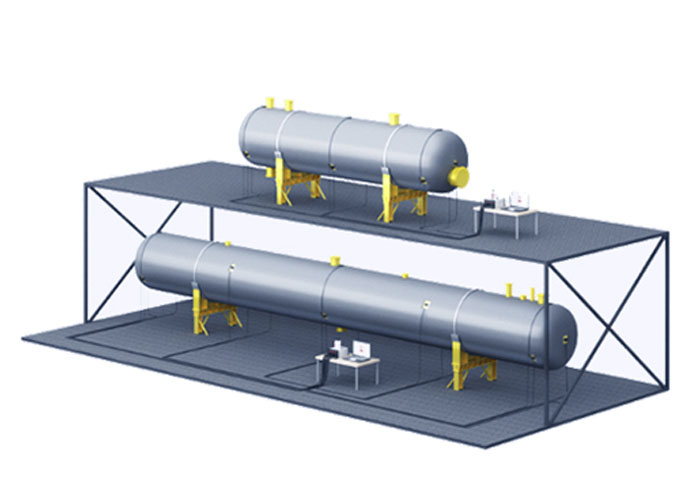
PRESSURE VESSELS
INSPECTION

100% coverage of the inspected vessel
PDT INSPECTION STEPS

1. PREPARATION
Obtaining information that will be used to design the asset mathematical modelling, selection of configuration, pre-setting and theoretical calibration, mobilization of PDT specialist and equipment.
2. PRE-PHONON
Performing equipment calibration, geometric physical measurement, material thickness profiling and closed visual inspection based on relevant code and standard.
3. PHONON MONITORING
Real-time data acquisition using phonon equipment.
4. POST-PHONON
Processing and analysis of the gathered data and final report preparation.